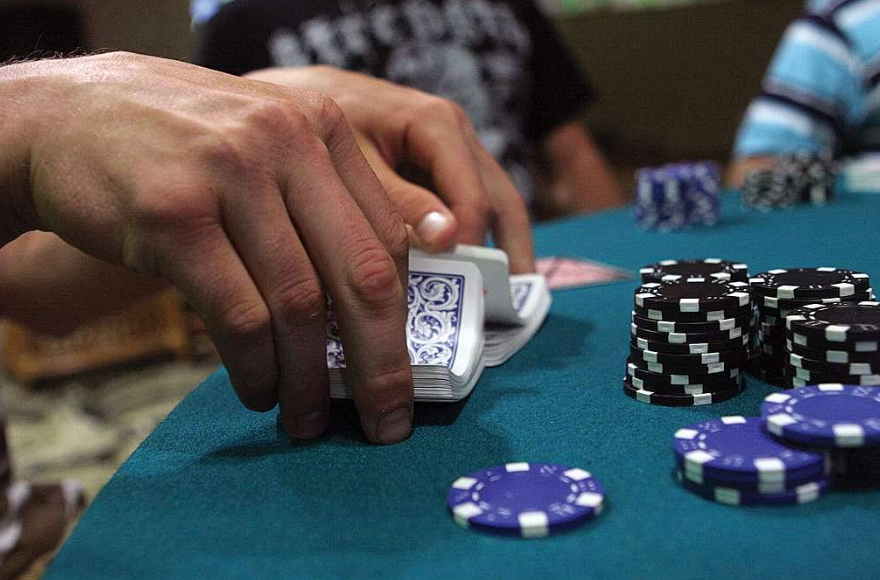
Aggressive poker is a dynamic and effective strategy that involves frequently betting and raising to control the game and put opponents on the defensive. It is about forcing your opponents into difficult decisions and making them fold or make mistakes under pressure, rather than passively reacting to their moves. By leveraging positional advantage and maximizing your pot equity, you can dictate the tempo of the hand. Mastering this proactive approach allows you to expand your poker range effectively, ensuring you capitalize on every opportunity to capture the blinds and build massive pots.
Styles of Aggressive Poker
There are two primary styles of aggressive poker that players employ:
Loose Aggressive (LAG): LAG players play a wide range of hands and often use frequent bluffs to keep opponents guessing. They are unpredictable and aim to create chaos at the table. Successful LAG players balance their bluffs with legitimate hands and are skilled at reading table dynamics.
Tight Aggressive (TAG): TAG players are more selective, playing fewer hands but with significant force when they do. They wait for premium hands (like strong pocket pairs or suited connectors) and bet big to maximize value. This disciplined approach allows them to apply pressure strategically.
Pro Tip: The most successful poker players can adapt and switch between LAG and TAG styles based on the table dynamics and their opponents’ play.
Tips to Master Aggressive Poker
To effectively implement an aggressive strategy, consider these essential tips:
-
Be Selective with Your Hands: Aggression is most impactful when applied to strong hands with potential, especially from late positions. This minimizes unnecessary risk.
-
Mix Up Your Play: Vary your betting patterns to remain unpredictable. Sometimes slow-playing a strong hand can build the pot, while other times a fast, aggressive move can force folds.
-
Control the Pot Size: While being aggressive, manage the pot size. Use smaller to medium bets when bluffing to keep stakes manageable, reserving larger bets for stronger hands.
-
Target Passive Players: Aggression is highly effective against passive players who are prone to folding. Increase pressure with well-timed raises against such opponents.
-
Watch Table Dynamics: Adjust your aggression based on your opponents. Against tight players, aggression can help steal blinds. Against looser players, be more selective with your aggressive moves.
How to Deal with Aggressive Opponents
When facing aggressive players, patience is key. Avoid getting drawn into their constant betting. Instead:
-
Wait for Strong Hands: Trap them by calling until you’re confident they are committed, then raise at the opportune moment.
-
Be Unpredictable: Mix up your calls and raises to prevent them from establishing a read on your play.
-
Taming LAGs: Be disciplined, wait for strong hands, and call their bluffs when appropriate.
-
Beating TAGs: Exploit their predictable patterns by looking for signs of weakness (like checking or hesitation) and apply pressure with well-timed bets.
Aggression in Tournaments vs. Cash Games
| Feature | Tournaments | Cash Games |
| Strategy | Build a stack early; selective aggression near the bubble for survival. | More consistent aggression is possible. |
| Risk | High stakes; losing your stack means elimination. | Ability to rebuy offers more freedom to push harder. |
Pros and Cons of Aggressive Poker
Pros
-
Keeps opponents on edge, forcing them to react.
-
Allows you to win more pots without showing your cards.
-
Maximizes value from strong hands by building larger pots.
Cons
-
Can make you predictable if overused, leading opponents to call with stronger hands.
-
Increases variance, potentially leading to significant swings in your stack if bluffs are caught.
Practice Your Skills Online
CoinPoker offers a platform to practice and refine your aggressive poker skills, featuring fast crypto payments and quick withdrawals. You can sign up and start playing at CoinPoker.
For further learning and to stay updated on poker strategies, CoinPoker’s blog offers a wealth of information, including series on aggressiveness in poker and general learning resources. Explore their Strategy Section to level up your game.
Comments are closed